

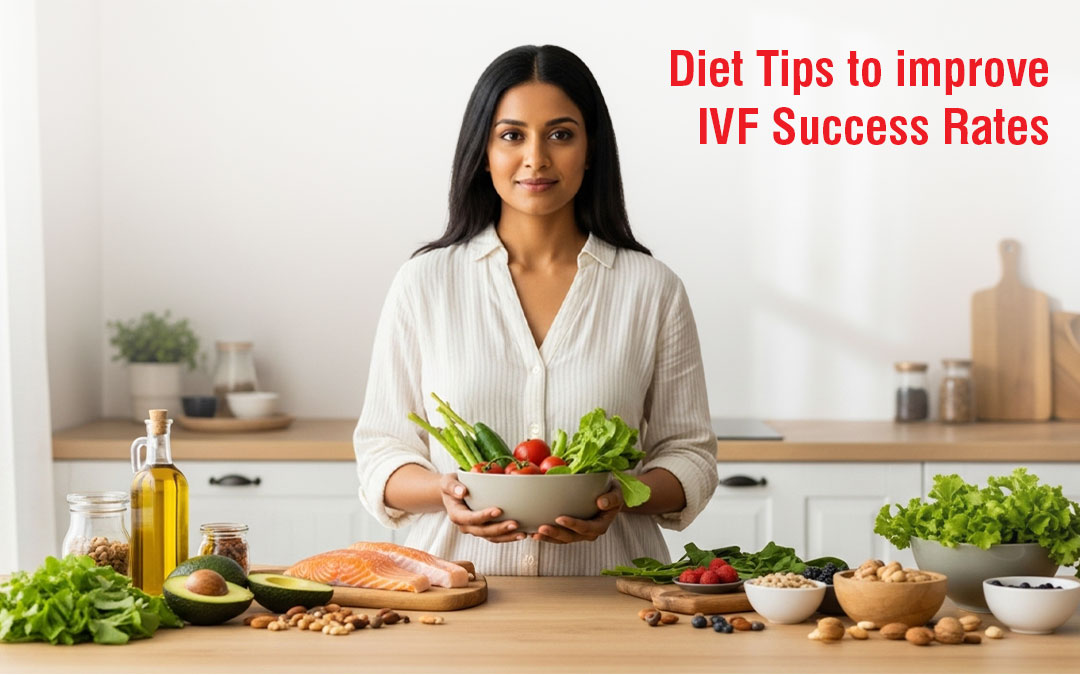
Parenthood journey through In Vitro Fertilization (IVF) is path filled with hope and resilience. Add to this, it also involves significant emotional and financial investment.
Medical Protocols, Lab Technology, and Genetic Screenings no doubt play a vital role in the final outcome. However, increasing scientific evidence suggests that what is eaten can significantly influence your reproductive environment.
Several research studies including the historic Nurses’ Health Study have shown that lifestyle and nutritional changes can drastically reduce the risk of infertility by over 60 percent.
Best of Diet Tips to improve IVF Success Rates
Here are the best of diet tips to improve IVF success rates.
TIP 1: Power of the Mediterranean Pattern
The Mediterranean Diet when it comes to IVF success is the gold standard.
According to Human Reproduction 2018 study, women who followed for six months before starting IVF a Mediterranean diet experienced a significantly higher chance of clinical pregnancy and live birth.
Why it works?
- Anti-Inflammatory: High in Omega-3s and antioxidants.
- Low Glycemic: Helps regulate insulin. This is critical to maintain hormonal balance.
- Rich in Folate: Critical for DNA synthesis and prevention of neutral tube defects.
Key Components:
- Plentiful vegetables and fruits. The more colors taken, the better.
- Whole grains. Like oats, quinoa, and taro.
- Healthy fats. From olive oil, avocados, and nuts.
- Lean protein. Particularly fish and legumes.
TIP 2: Prioritize High-Quality Proteins
Protein provides for hormones and healthy follicles the building blocks.
However, the source of your protein matters a lot.
- Plant-Based Over Power: Replacing a serving of animal protein as per studies suggests protein (especially red meat) with plant protein (beans, tofu, nuts, and lentils). They can lower the risk of ovulatory infertility.
- The Fish Factor: Cold-water fish like Salmon, Sardines, and Mackerel are rich in Omega-3 fatty acids. This helps improve the flow of blood to the uterus. Also helps support quality of the eggs.
- Limit Processed Meats:Avoid intake of Sausages, Bacon, and Deli Meats. They contain nitrates and saturated fats. This can increase inflammation.
TIP3: The ‘Fertility Fat’ Strategy
‘Low Fat’ was for years the trend.
But for fertility, healthy fats remain non-negotiable.
- Monosaturated Fats: Found in Olive Oil and Avocados. These fats help decrease inflammation in the body.
- Omega-3 Fatty Acids: Essential for regulating hormones and improve the quality of eggs. Consider a high-quality algae-based or fish oil supplement if you do not like fish.
- Avoid Trans Fats:Found in many fried foods and shelf-stable baked goods. They increase insulin resistance. This can disrupt ovulation.
TIP 4: Complex Carbohydrates & Insulin Sensitivity
Reproductive hormones and insulin are closely linked.
Your insulin spikes when you eat refined carbs like sugary cereals, soda, and white bread. This can interfere with the maturation of the egg.
- Choose Slow-Release Carbs: Focus on whole grains, sweet potatoes and berries. They provide a lower Glyemic Index (GI). This means they offer steady energy sans the insulin spike.
- Fiber: Try for an intake of 25-30 grams of fiber daily. They help the body filter out excess estrogen. This is critical to maintain the delicate hormonal balance needed during an IVD cycle.
TIP 5: Antioxidants and Vitamins
Oxidative stress can damage eggs as well as sperms.
Antioxidants act as a shield. They protect these cells with ‘free radical’ damage.
| Nutrient | Source | Benefit for IVF |
|---|---|---|
| Folic Acid / Methylfolate | Spinach, Asparagus, Fortified Grains | Prevents birth defects and improves egg environment |
| Vitamin D | Sunlight, Eggs, Fortified Milk | Linked to higher implantation rates in several studies |
| CoQ10 | Beef, Peanuts, Supplements | Boosts mitochondrial energy in eggs (vital for older mothers) |
| Zinc | Oysters, Pumpkin Seeds | Essential for egg development and sperm quality |
| Iron | Lentils, Lean Red Meat, Spinach | Helps prevent ‘ovulatory infertility’ and anemia. |
TIP 6: The Hydration Equation
Your body during IVF is processing an enormous amount of hormonal medication.
Proper hydration helps your kidneys and liver filter out metabolic waste and keeps the uterine lining healthy.
- Goal: Aim for 2-3 liters of water per day.
- Avoid: -Caffeine in excess for it’s been linked to longer times to conceive and a slightly higher risk of miscarriage.
-Limit intake to 200mg daily (about 12oz cup of coffee). - Eliminate Alcohol:Avoid intake of alcohol entirely during an IVF cycle. It can negatively impact egg retrieval numbers and fertilization rates.
TIP 7: Don’t Forget the Male Factor
Male factor issues are in 50 percent infertility cases a contributing cause.
Sperm takes about 70 to 80 days to mature. This means a partner’s diet 3 months before the IVF cycle matters.
- Lycopene: Found in cooked tomatoes. Improves sperm morphology.
- Walnuts: Rich in Omega-3s. Shown to improve sperm vitality and motility.
- Vitamin C and E:Key antioxidants that protect sperm DNA from fragmentation.
TIP 8: Managing The ‘IVF’ Weight and Mindset
Often there is an urge to go on a restrictive diet. This induces loss of weight before IVF.
However, extreme calorie restrictions are counter-productive.
Your body needs to feel ‘safe’ and well-nourished. This helps sustain pregnancy.
Focus more on nutrient density rather than focus on weight loss.
Eating regular, balanced meals helps
- Stabilize blood sugar.
- Reduce the stress hormone cortisol. Cortisol is notoriously high during fertility treatments.
TIP 9: Pre-Retrieval Vs Pre-Transfer
Your dietary focus could slightly shift. This depends on the stage of your IVF cycle.
- Before Egg Retrieval: Focus on protein and healthy fats. They help support follicle growth and egg maturation.
- Before Embryo Transfer: Focus on anti-inflammatory foods. Like Beets which may improve uterine blood flow. Also, stay hydrated to support the uterine lining.
Final Word
IVF can often feel like a process of which you have little control.
Your diet is an area where you can maintain control.
You are not just eating for a successful cycle by adopting a Mediterranean-style, anti-inflammatory diet. You are also building the foundation for a healthy pregnancy and ultimately, a healthy baby.
Don’t forget to consult your Reproductive Endocrinologist (RE). Else consult a specialized fertility nutritionist before risking significant changes to your diet or starting new supplements.
Otherwise they can interact with your specific medication protocol.